
 $$$
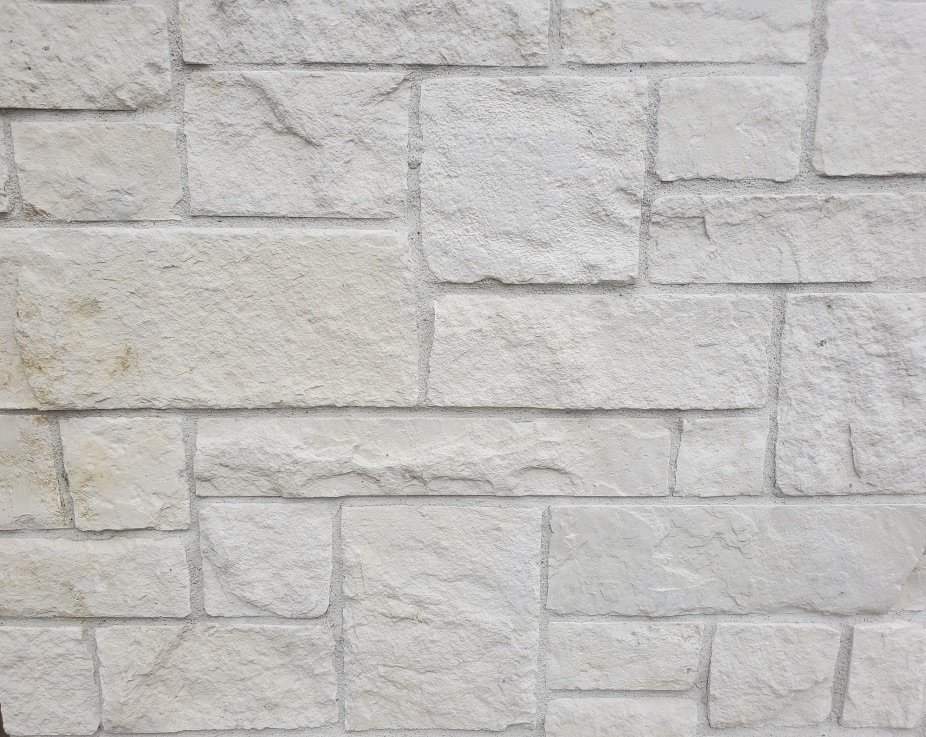
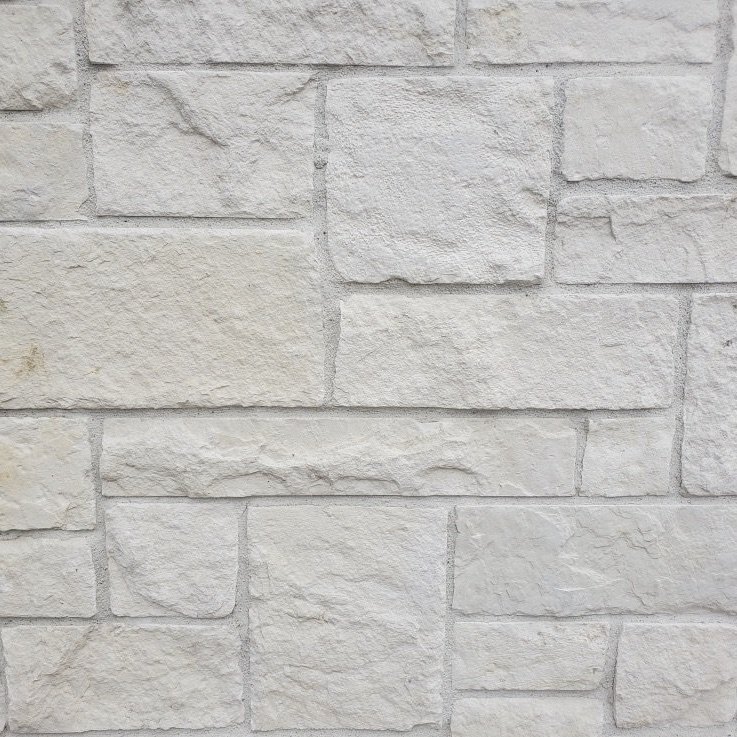
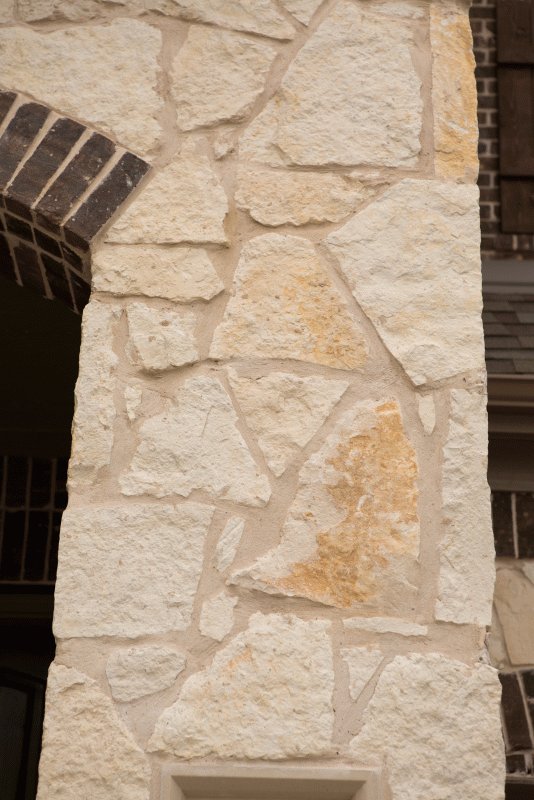
Natural stone
Quarried and cut
Quarried and cut, so no two pieces are alike. It has the most character and the longest track record, at a higher material and labor cost.
Best forWalls, columns, fireplaces and veneer
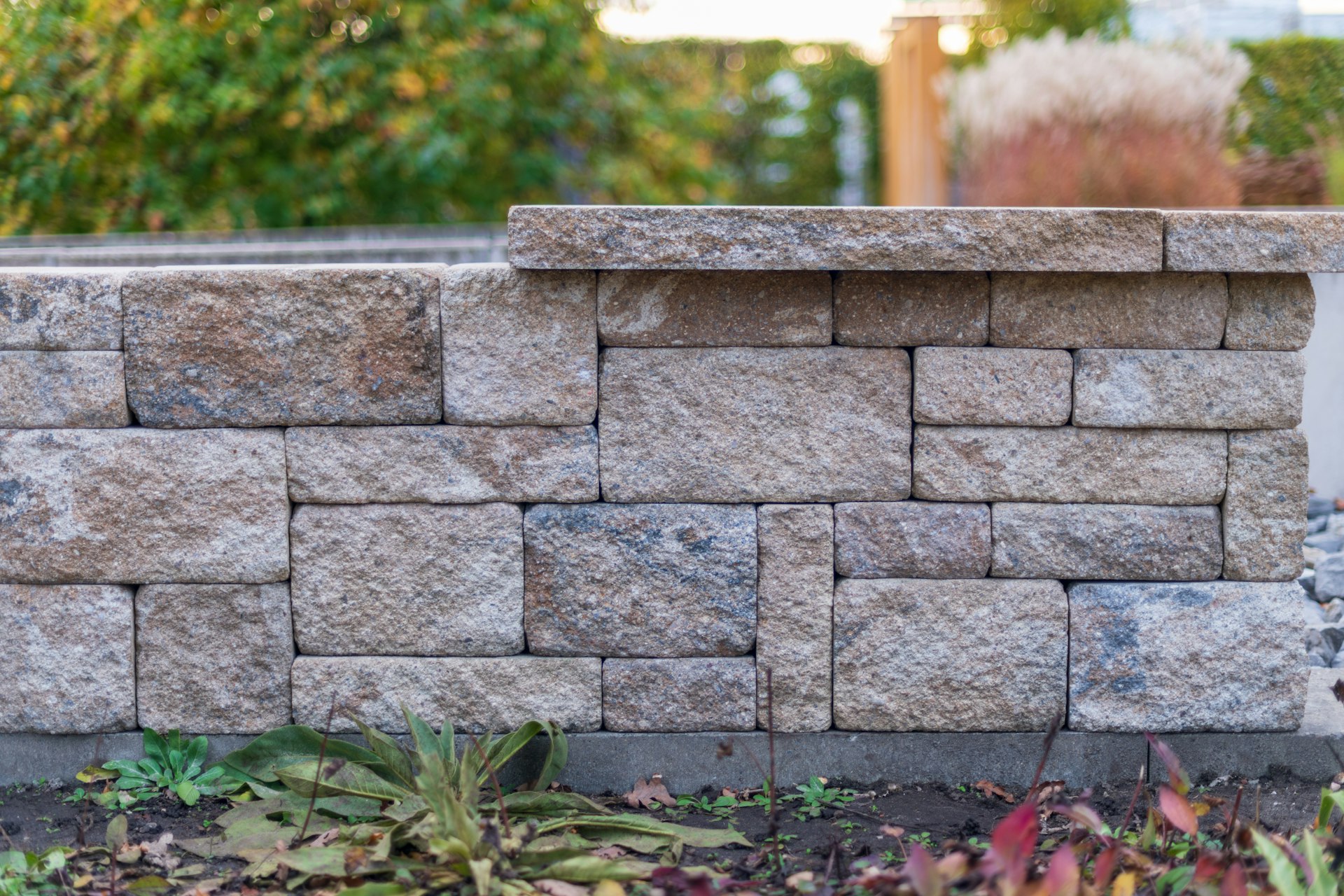
Stone, Brick & Block
Retaining walls, stone and brick veneer, columns, seat walls and block walls, built with old-world technique on footings sized for Houston clay.
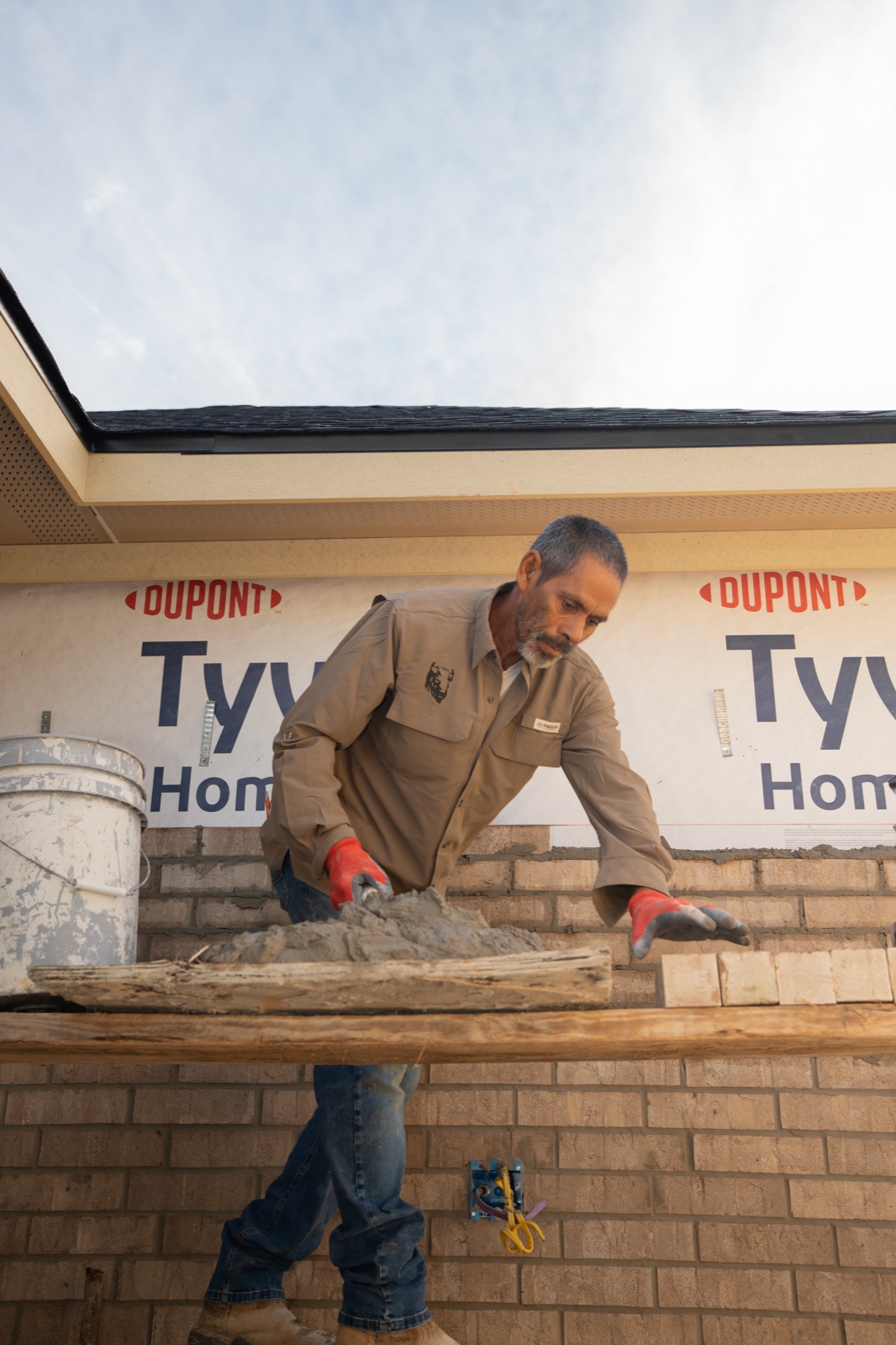
Masonry by Coronado Exteriors
Masonry is the foundation of everything we build, literally. Every wall, column and veneer is laid with attention to drainage, load and long-term settling, then finished with a level of detail that holds up to a close look.
Each project starts with an engineering question before it becomes a design question: what the wall has to carry, where the water goes and how the soil under it moves. Then we walk you through material, footing depth and finish before anything is built.
We build for homeowners and for general contractors, residential and commercial, with the same crew and the same standard on every job.
 3-Year Workmanship Guarantee
What We Build
Structural work and finish work, done by the same crew.
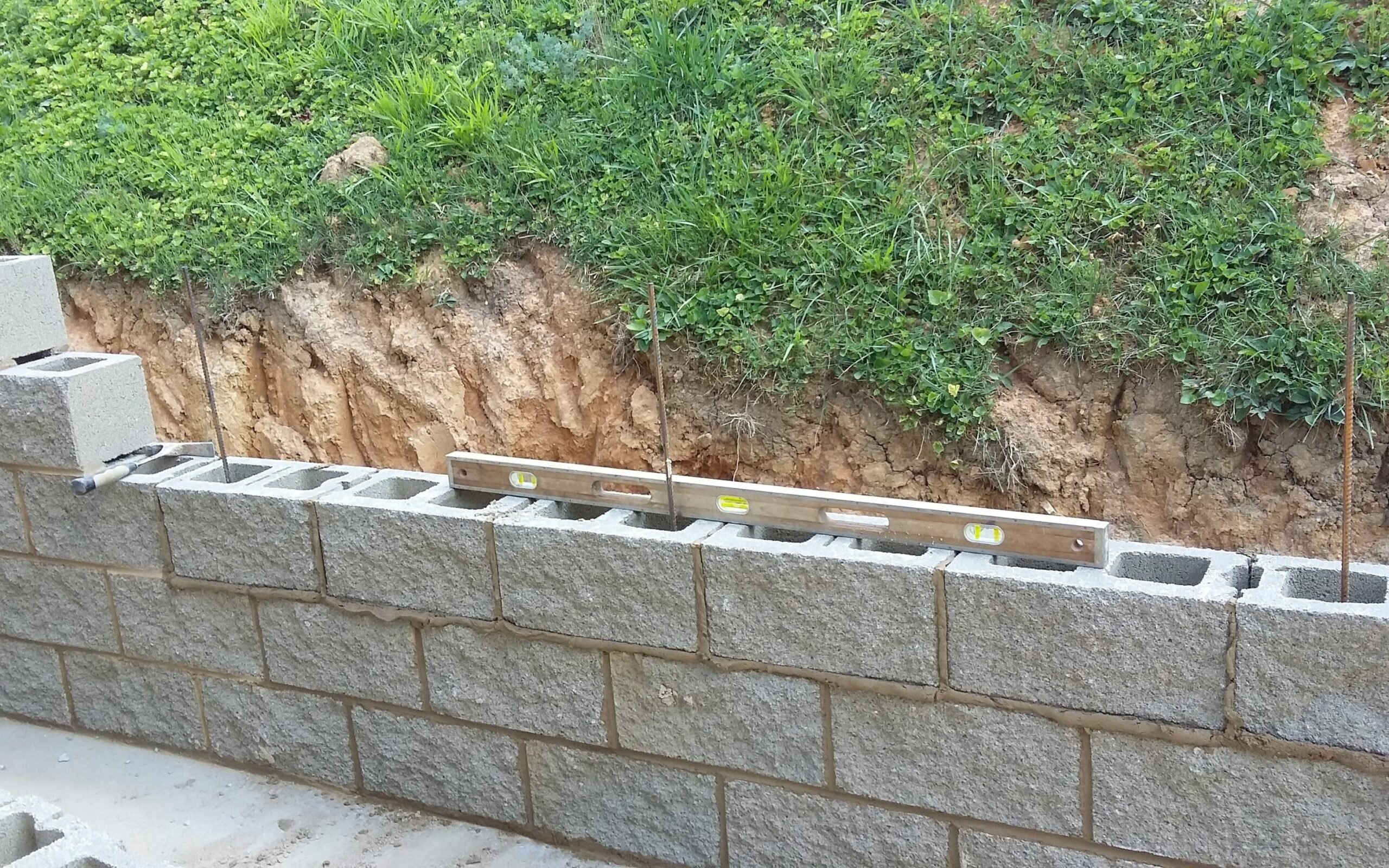 Retaining wallsStone and block walls that hold grade under real load.Explore
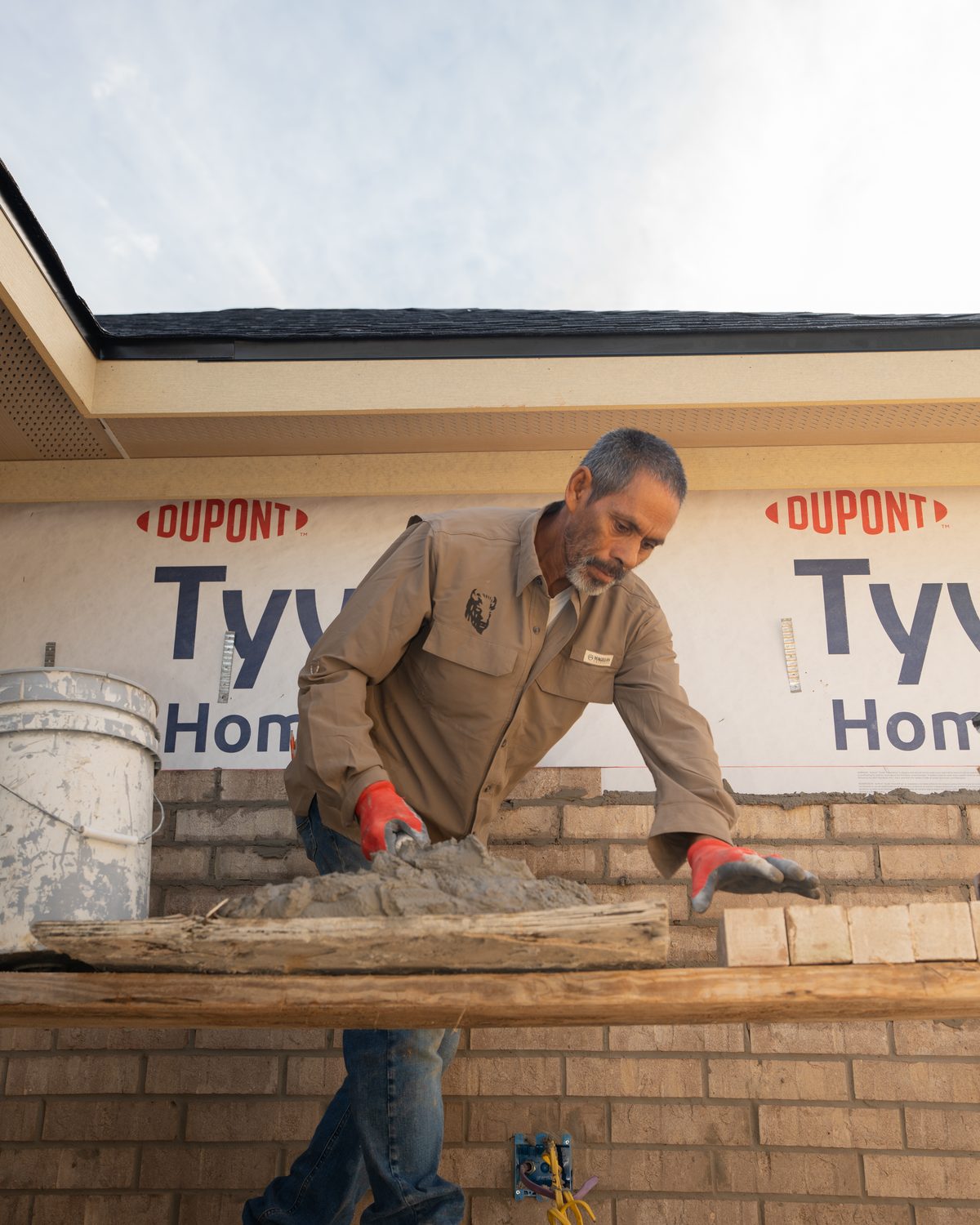 Stone & brick veneerMatched to your home's existing exterior.Explore
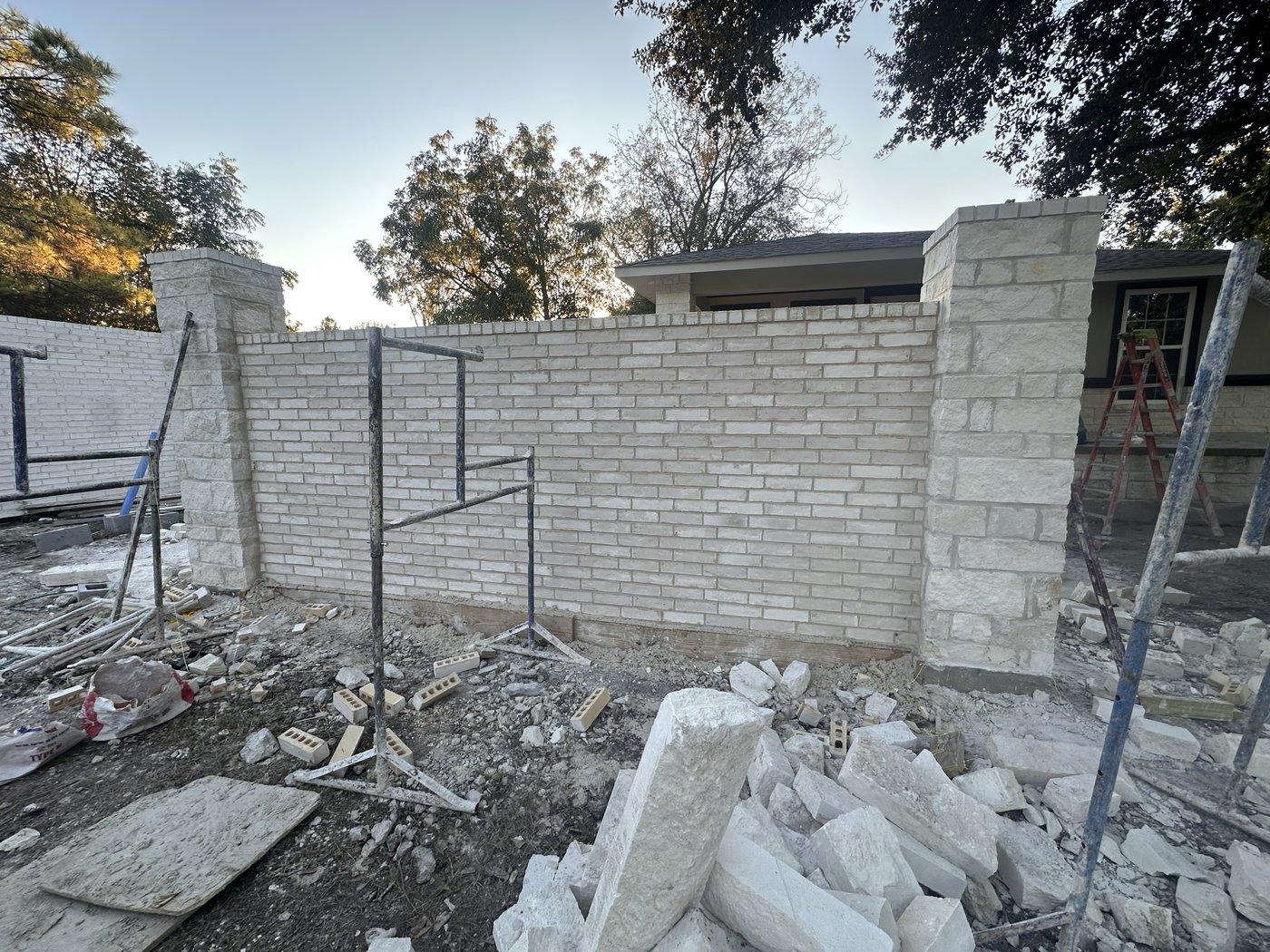
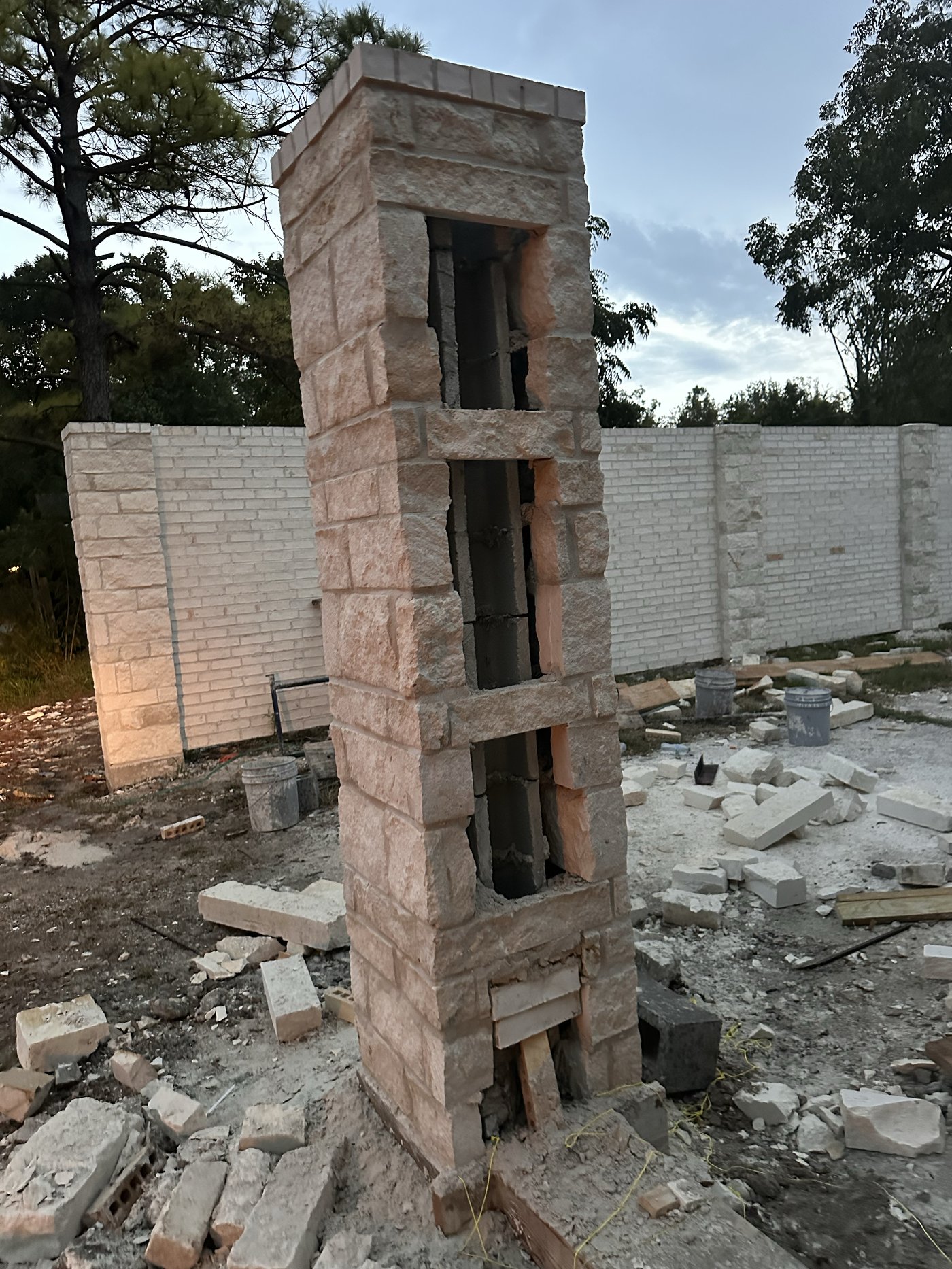 Columns & pillarsEntry columns, gate pillars and supports.Explore
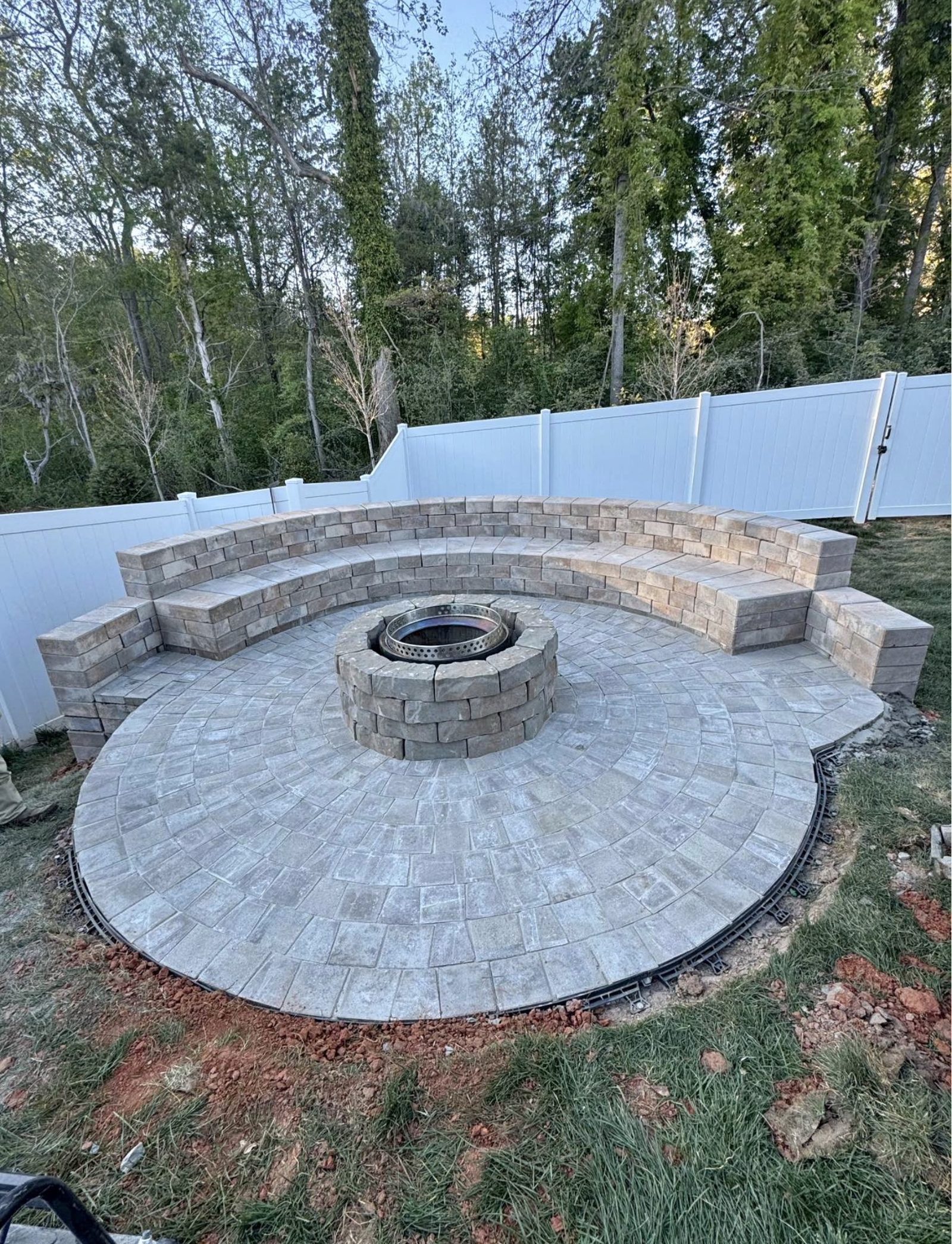 Seat walls & stepsSeating and stair work that ties a yard together.Explore
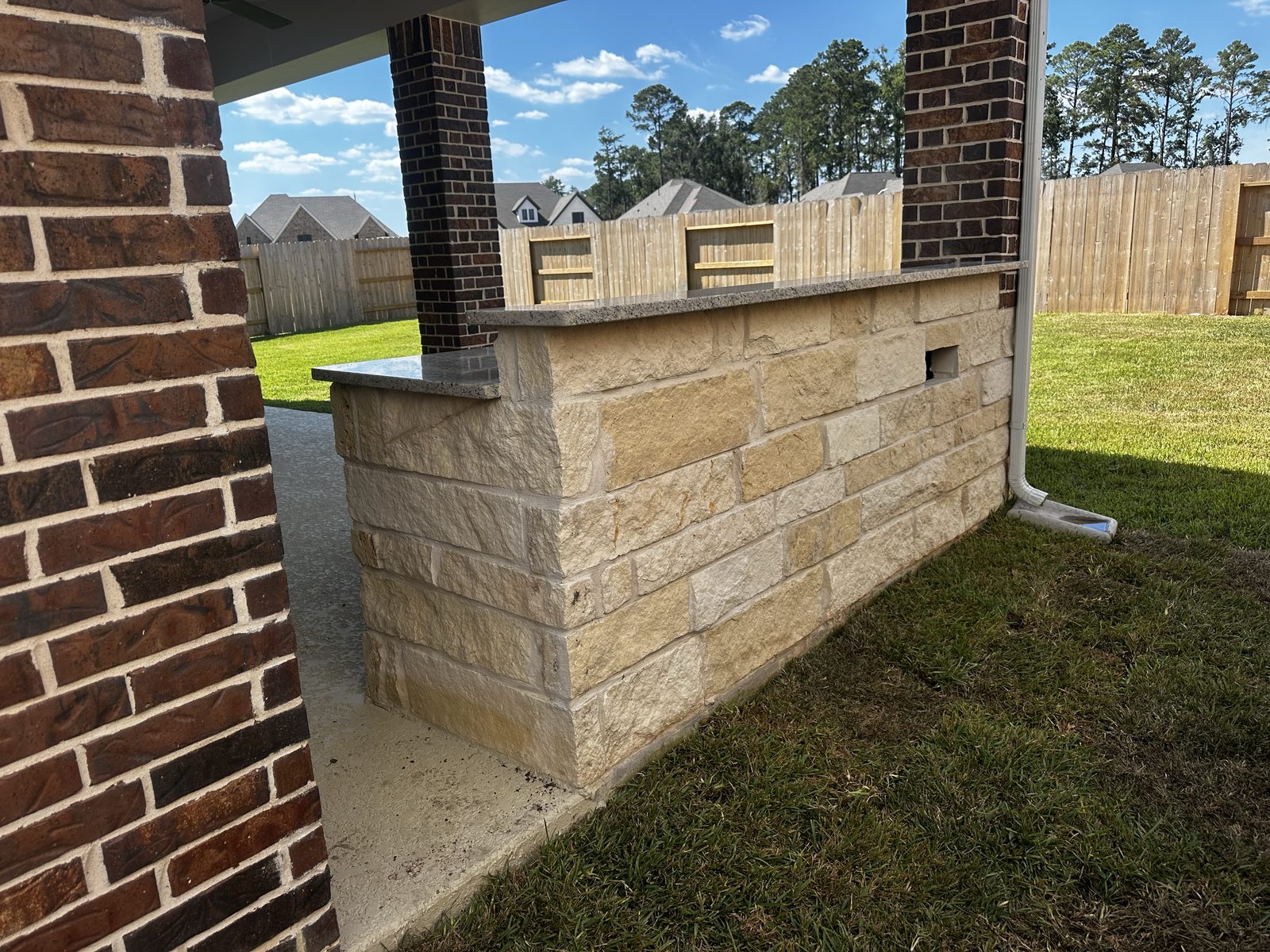
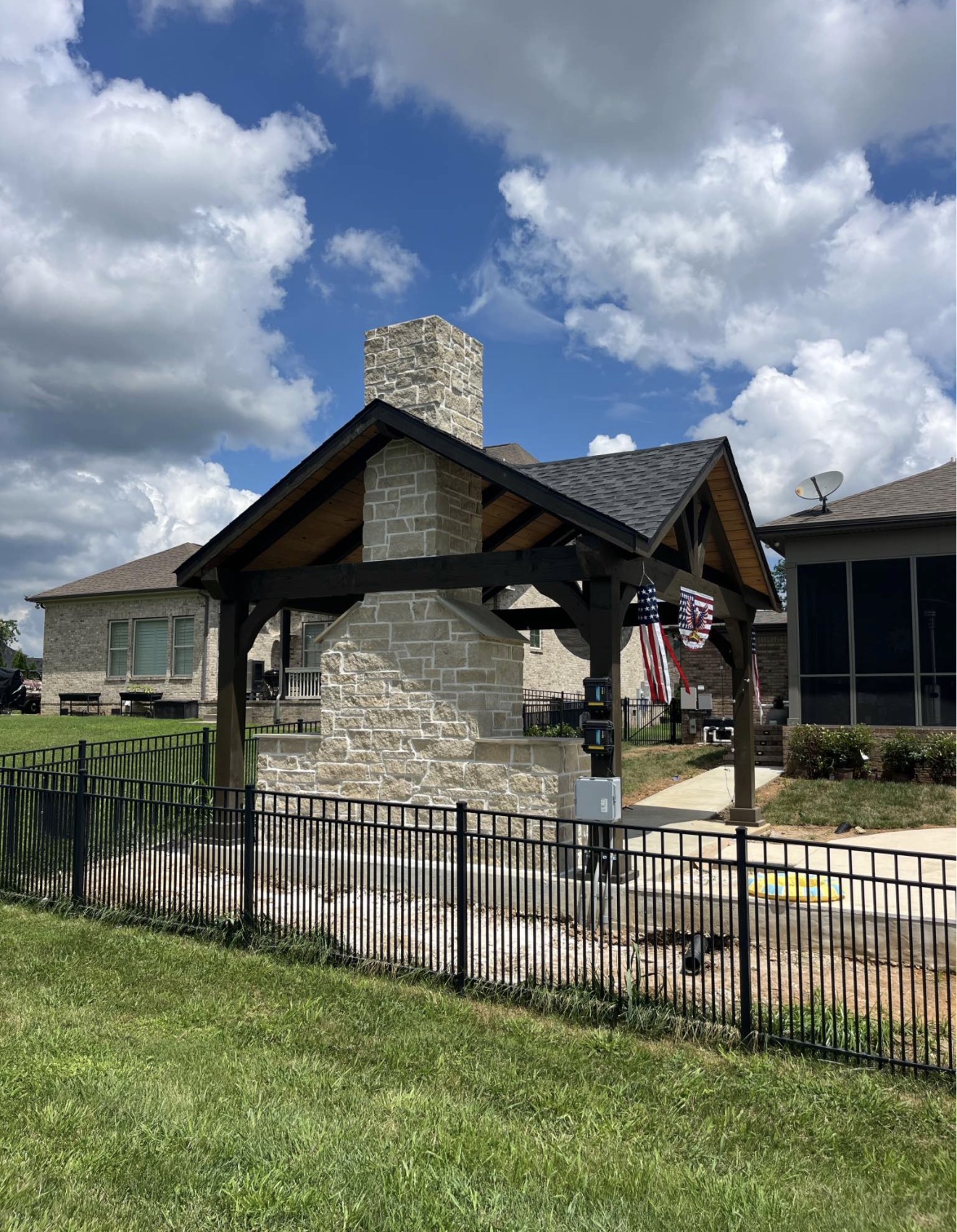 Outdoor fireplacesFireplaces, fire pit surrounds and kitchen bases.Explore
Materials
Stone or brick veneer is matched to your existing exterior whenever possible, so a new wall or column reads as part of the house and not an obvious addition.
$$$Quarried and cut
Quarried and cut, so no two pieces are alike. It has the most character and the longest track record, at a higher material and labor cost.
 $$
Fired clay
Fired clay with color that runs all the way through. We match size, color and mortar to the brick already on your home.
 $$ - $$$
Natural split stone
Flat, irregular natural stone fitted together by hand. It is used on walking surfaces and as veneer for a relaxed, rustic look.
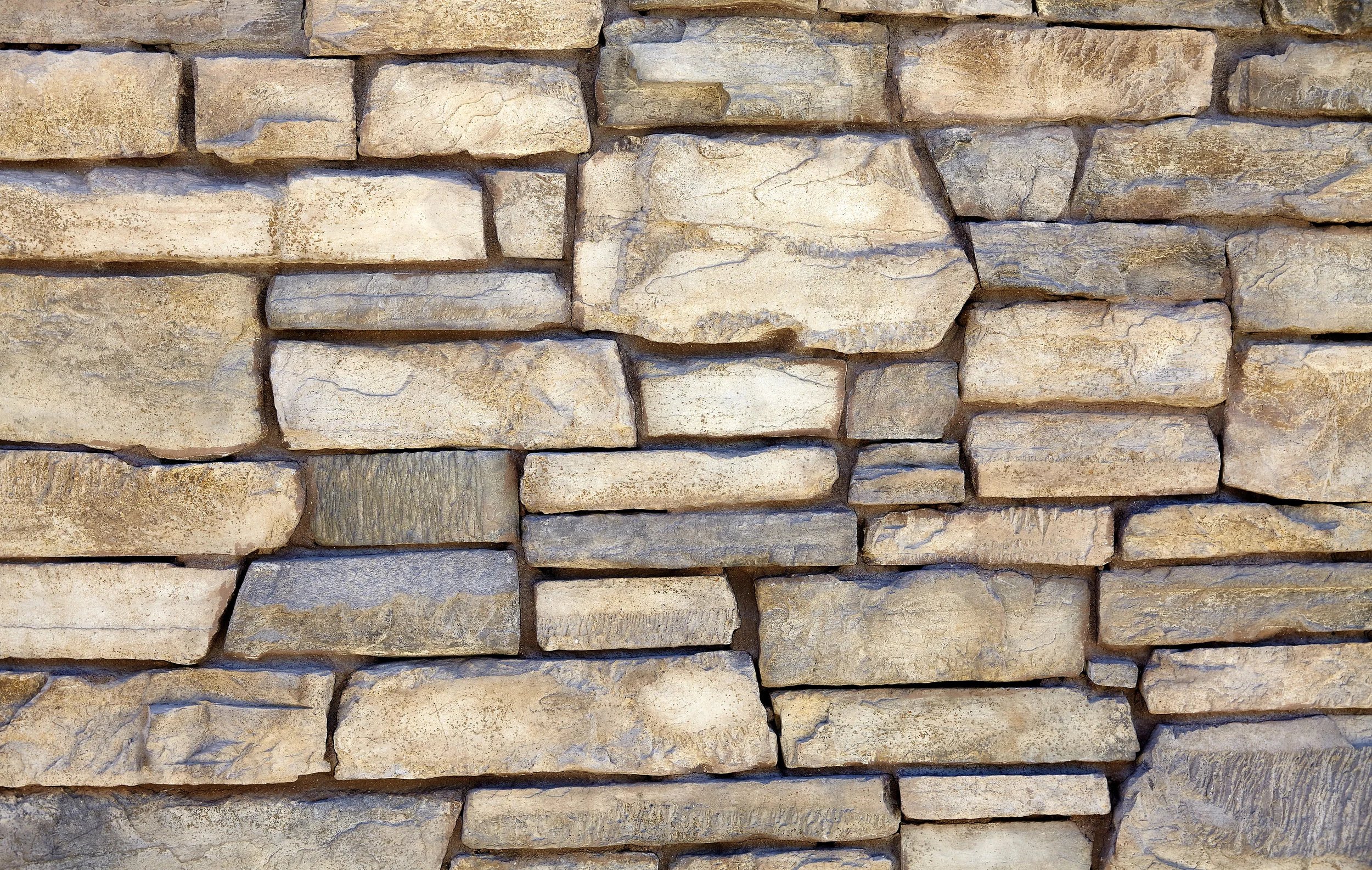 $$
Cast concrete
Cast concrete colored and textured to look like stone. It is lighter, more consistent and usually less expensive than natural stone.
 $ - $$
Structural block
The structural workhorse. Block walls can be left exposed, stuccoed, or faced with stone or brick.
$$$Sawn natural stone
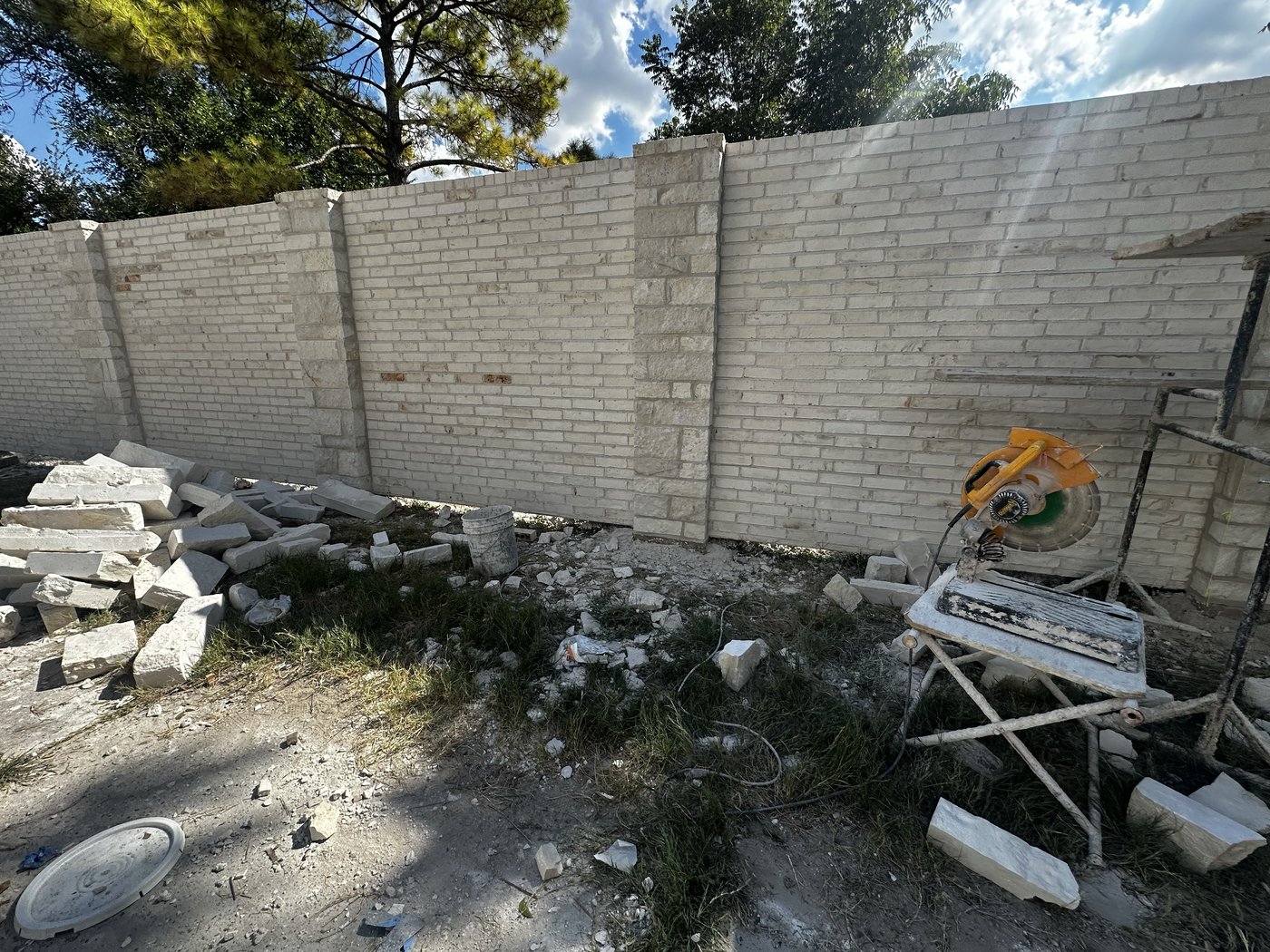
Limestone, including Texas Lueders, sawn to clean, even faces. It gives walls, caps and columns a lighter, more formal look.
| Natural stone | Manufactured veneer | Brick | |
|---|---|---|---|
| Relative cost | $$$ | $$ | $$ |
| Look | Every piece is different | Consistent color and shape | Uniform, classic |
| Weight | Heavy, needs proper support | Lighter, suits veneer over existing walls | Heavy, needs proper support |
| Color | Natural, runs through the stone | Cast and colored to look like stone | Fired in, runs through the brick |
| Best for | Walls, columns, fireplaces | Veneer on walls, columns and kitchen bases | Matching a brick home |
Price tiers are a rough guide to how the materials compare, not a quote.


On the Jobsite
We're on site, every step of the way.
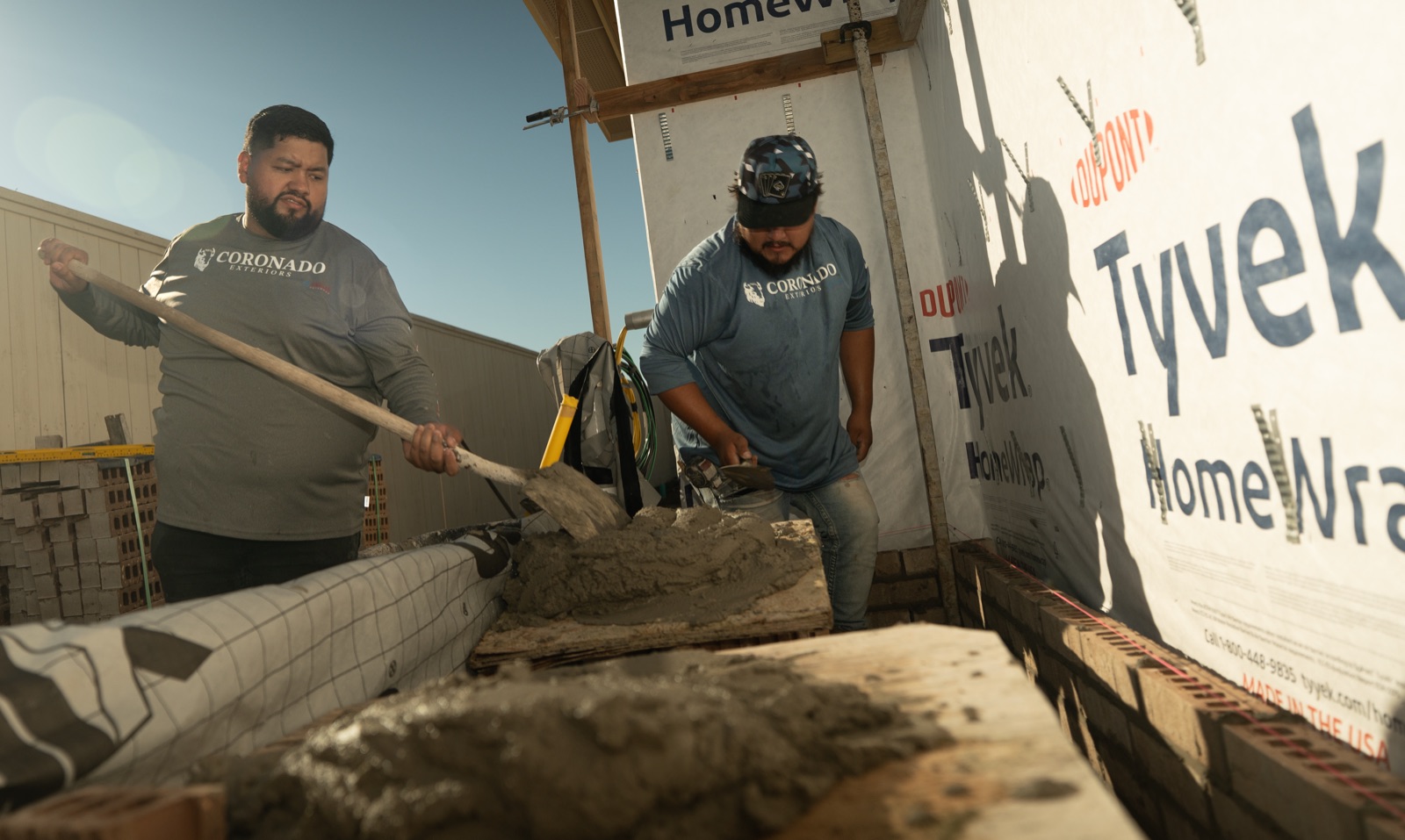
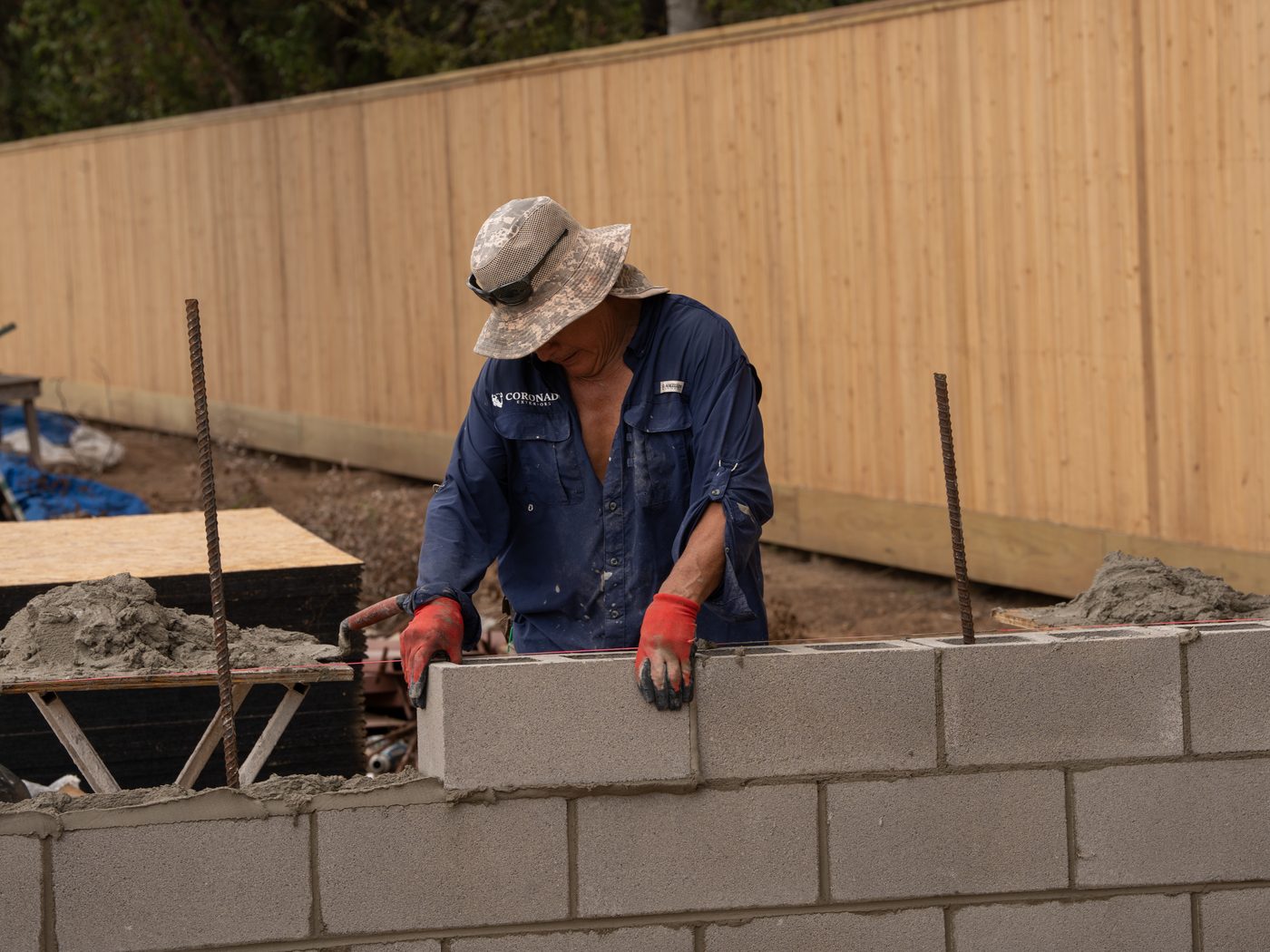
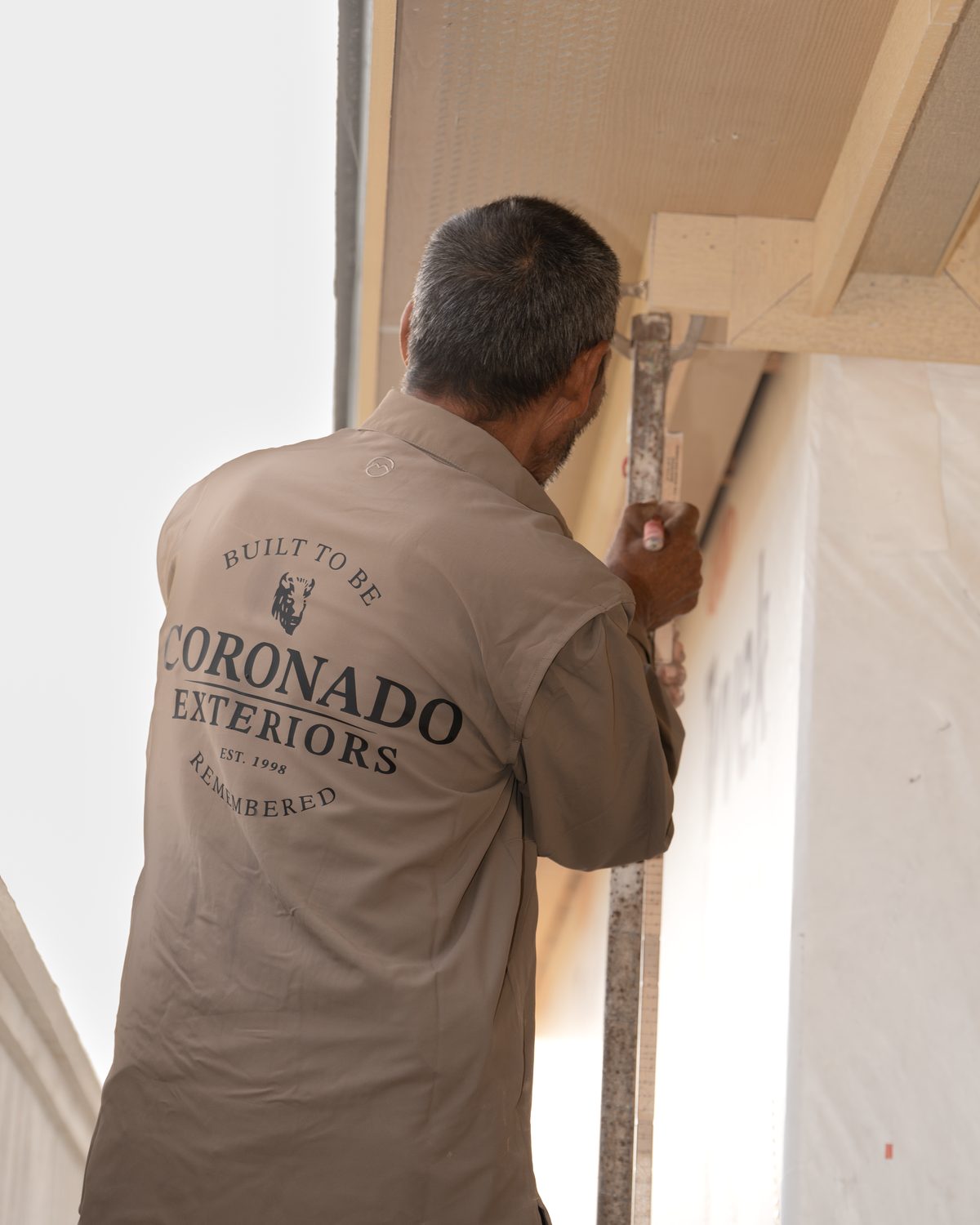
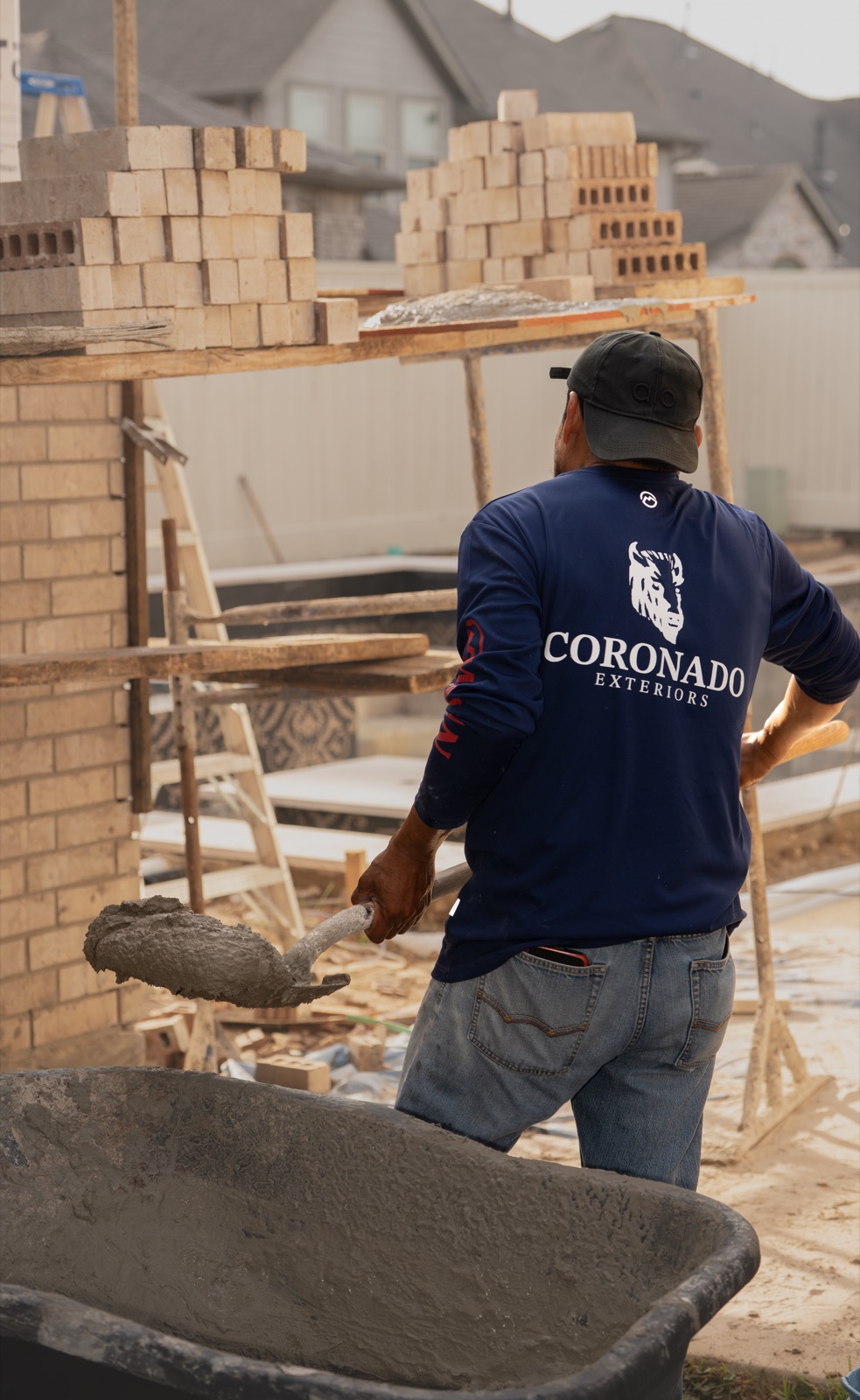
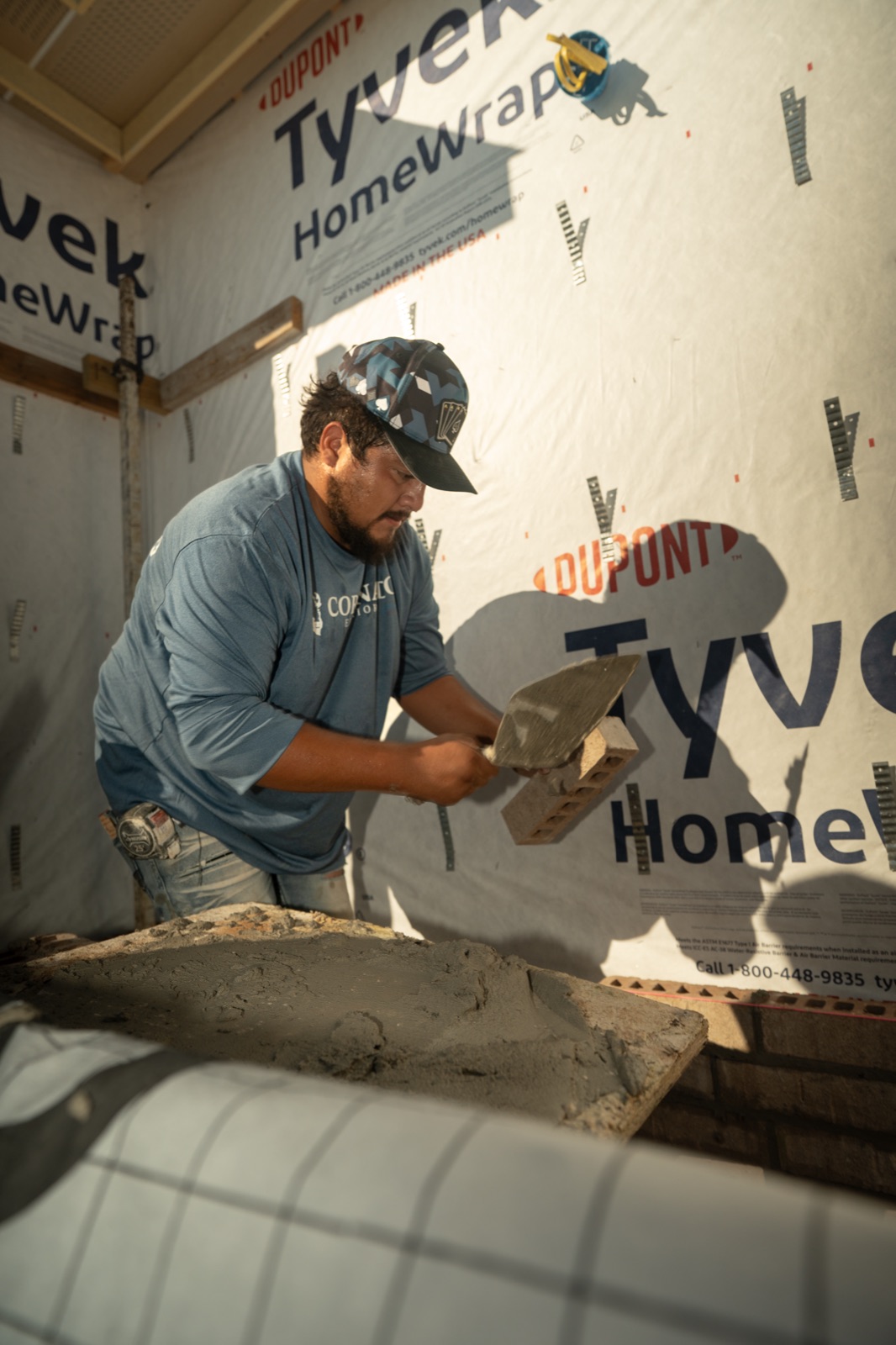
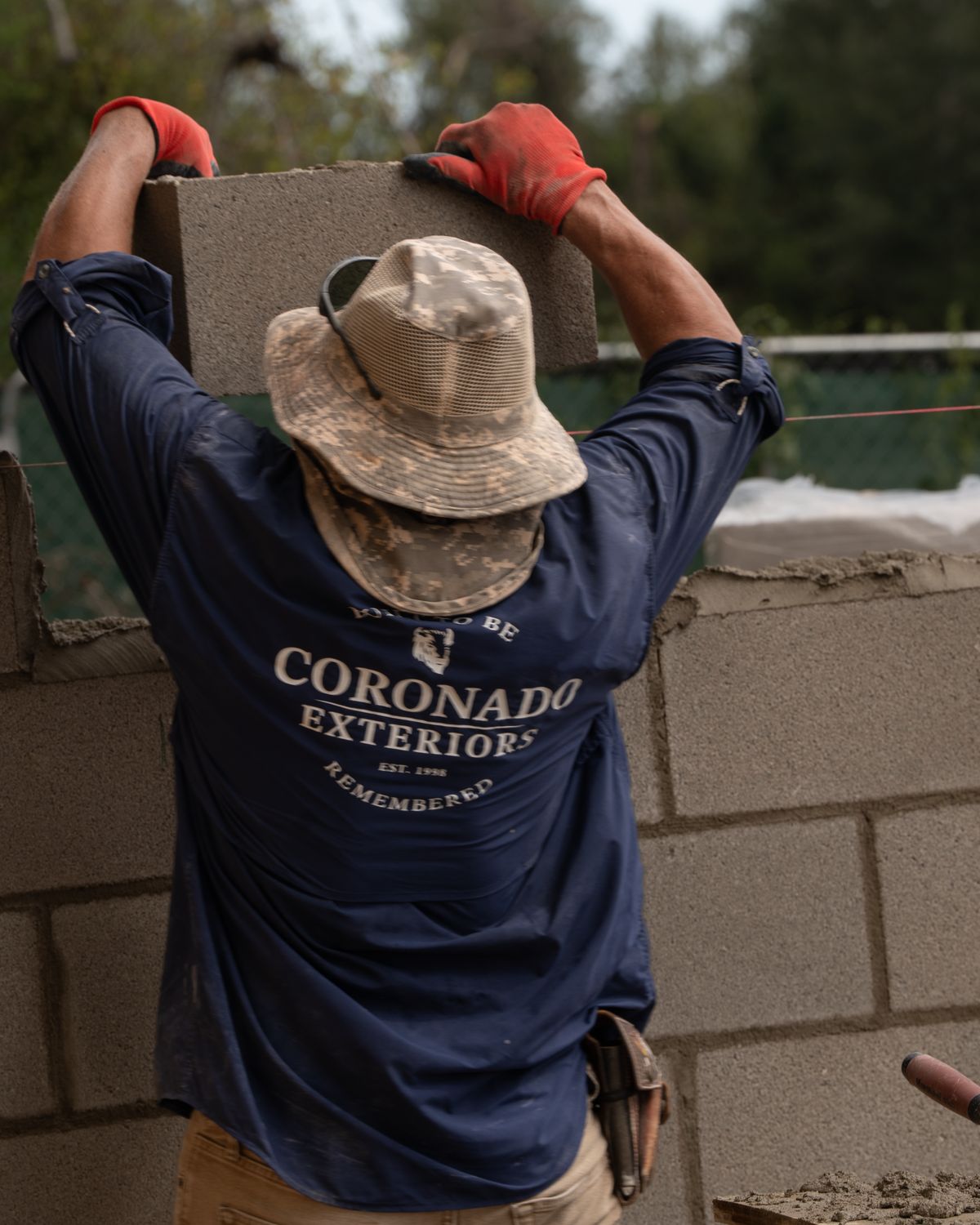
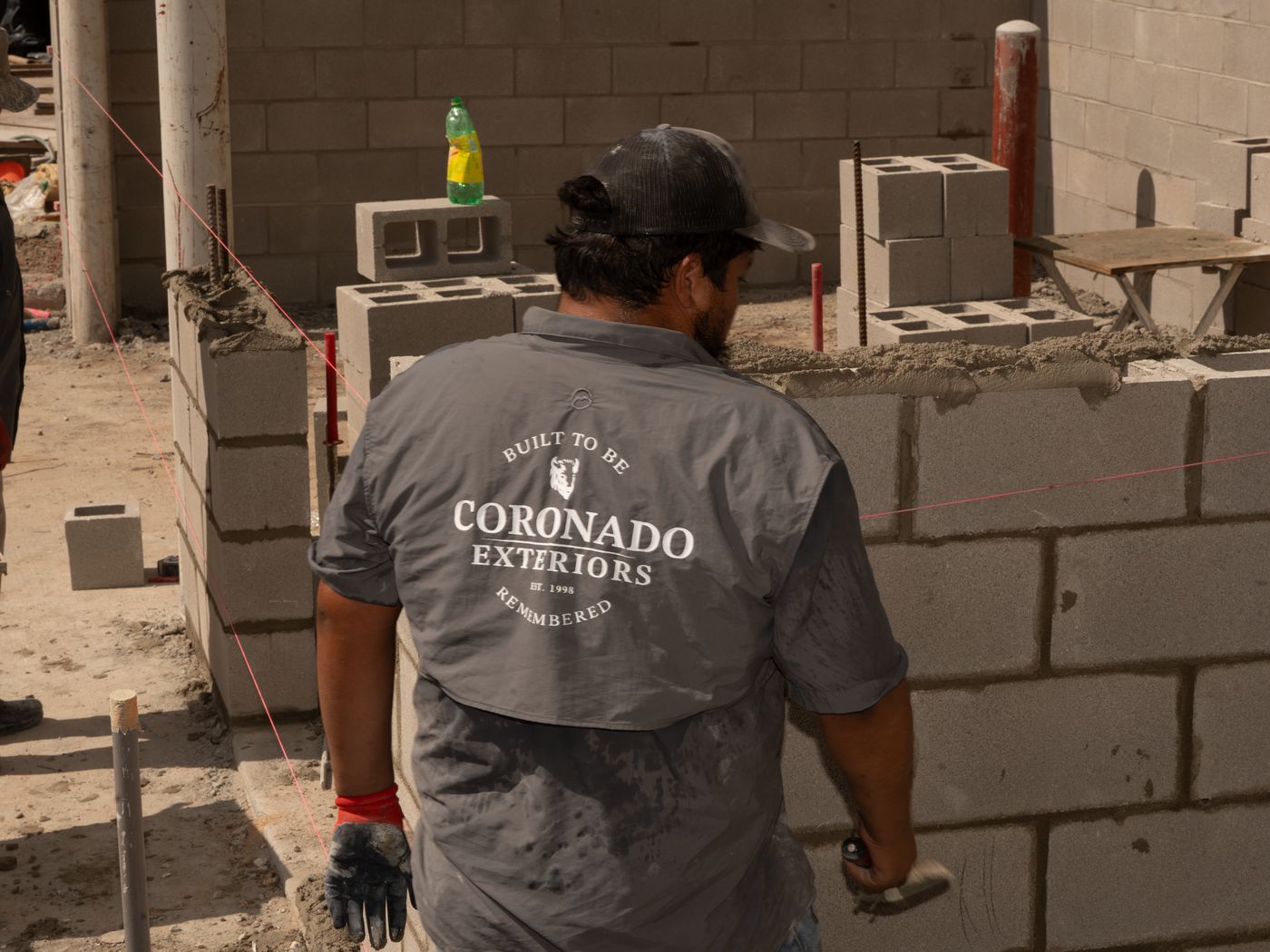
Alejandro Coronado learned masonry alongside his father and spent years building for some of Houston's biggest home builders. That same standard goes into every wall: footings sized for the load, courses laid to a string line and joints tooled clean.
The footing and the drainage are the parts you never see once the job is done. They are also the parts that decide how long it lasts.
Built for Houston
Houston-area soil expands and contracts with moisture more than almost anywhere else in the country. That movement is what cracks walls and pushes columns out of plumb over time.
Footings sized to the job. Depth and width depend on the wall height, the load on it and your soil, not a generic minimum.
Drainage planned in. Gravel backfill and a way out for water are part of every retaining wall.
Reinforcement and control joints. Placed where the design calls for them, so the wall moves where it is meant to.
A typical build, top to bottom.
How It Works
Five stages from the first visit to the final walkthrough.
We walk your property, talk through what you want and put together a design that fits your space and budget.
You choose the stone, brick or block and the finish. We bring samples so you can compare them against your home.
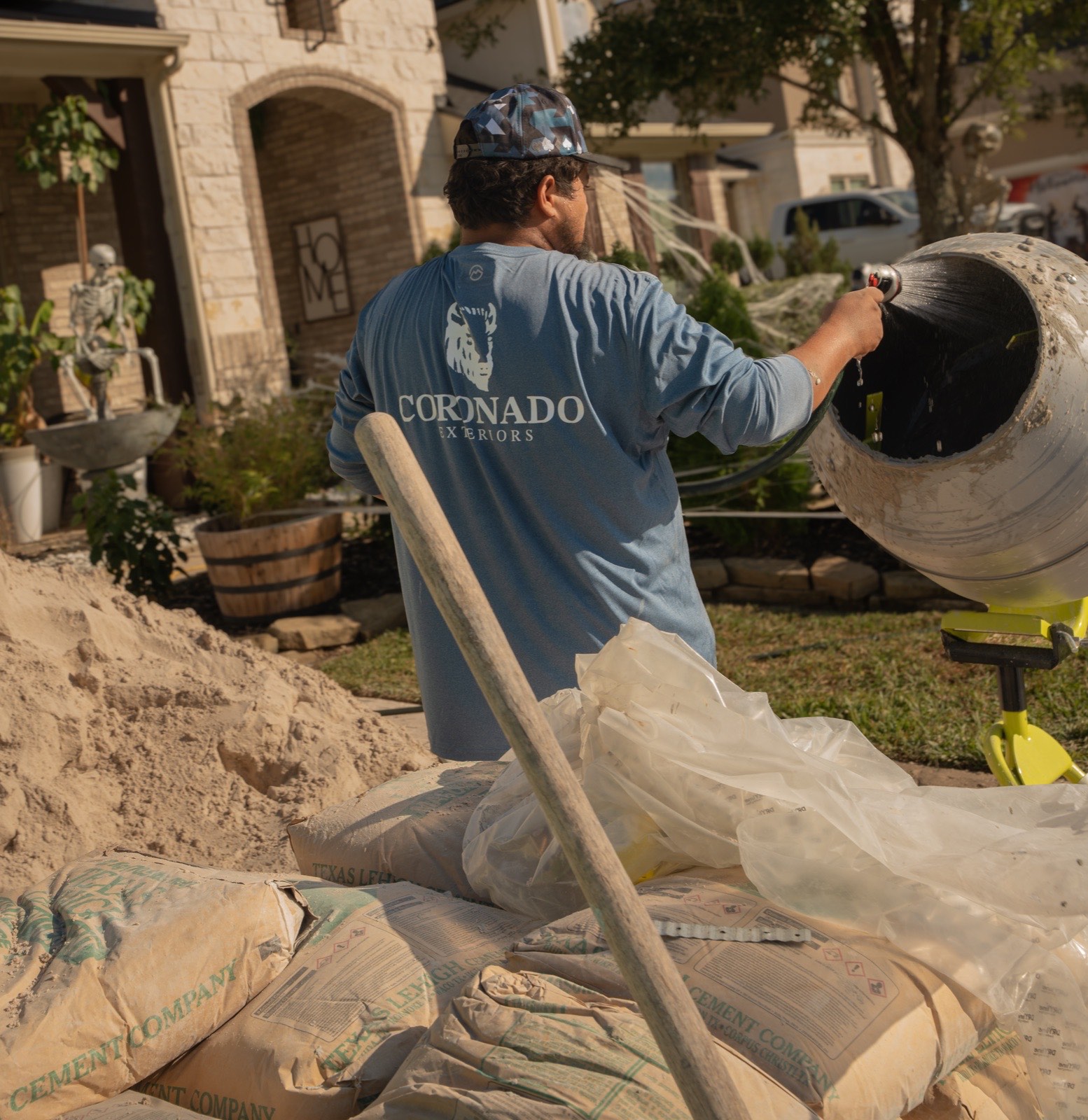
We excavate, pour a footing sized for the wall and the soil, and set up drainage where the wall needs it.
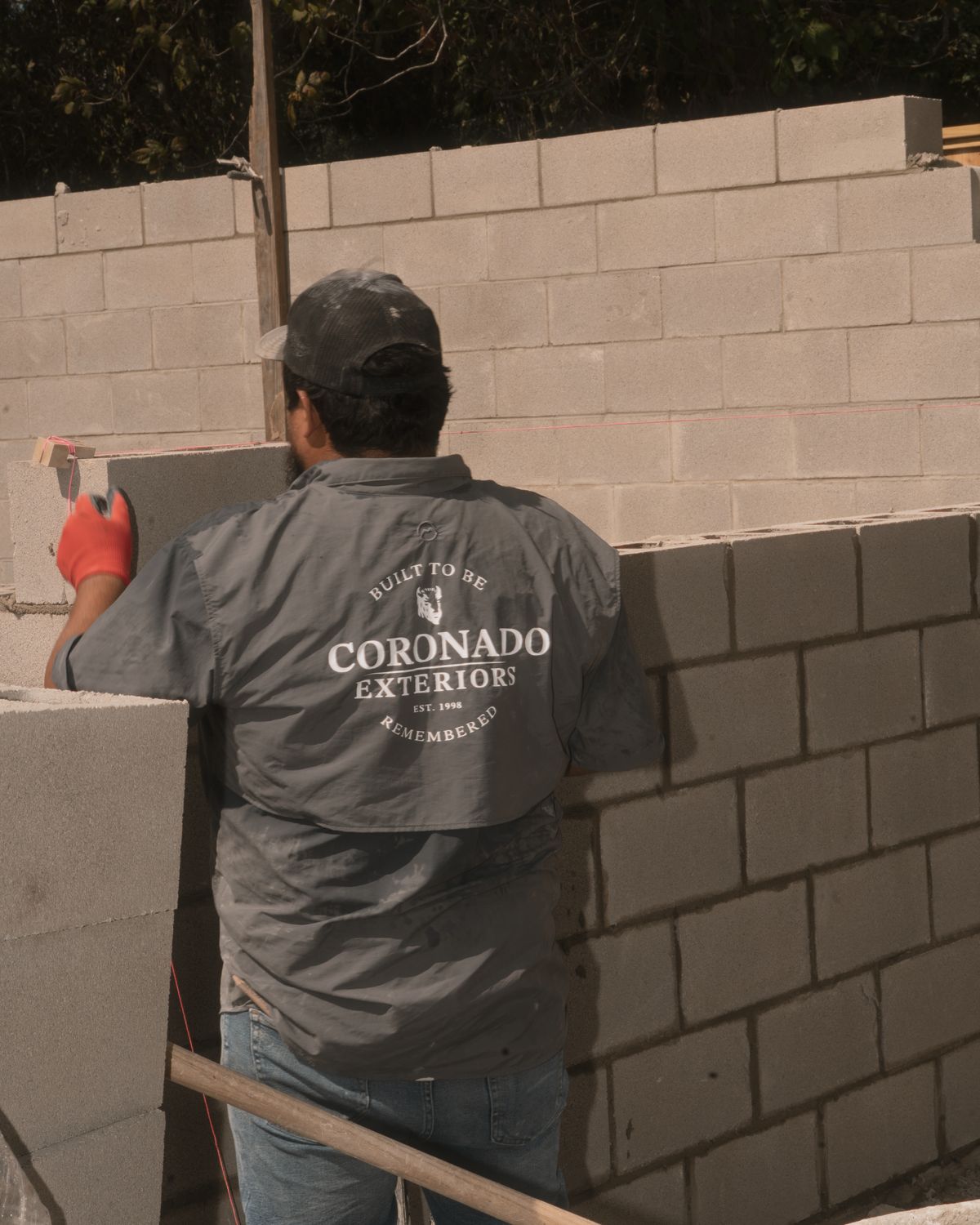
Our masons lay the work to a string line, course by course, and tool the joints clean.
We clean up and walk the finished project with you before calling it done.
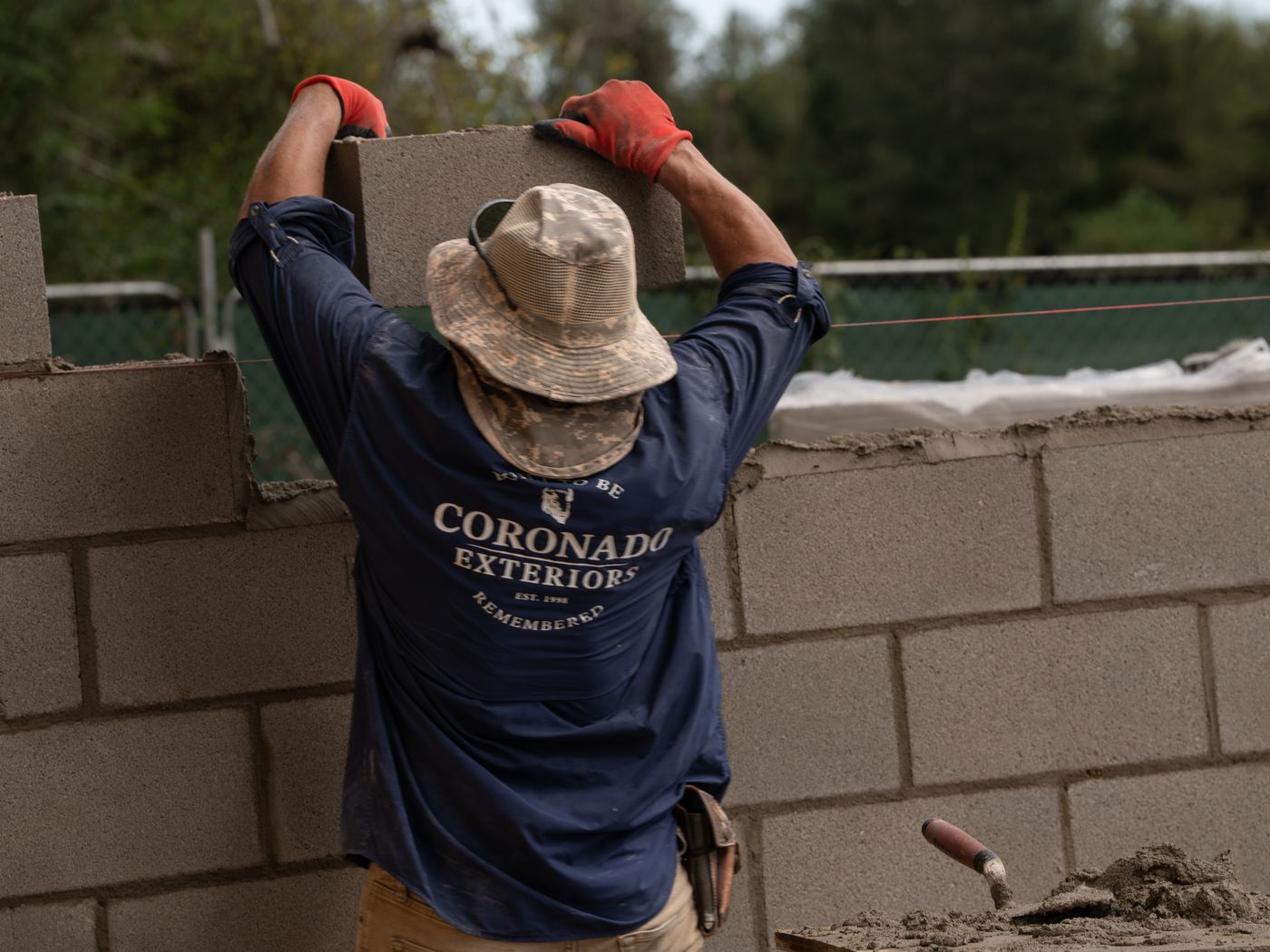
Concrete Block
Concrete block privacy walls, dumpster enclosures, storage rooms, columns and retaining walls, plus labor-only CMU installation for general contractors.
Recent Work
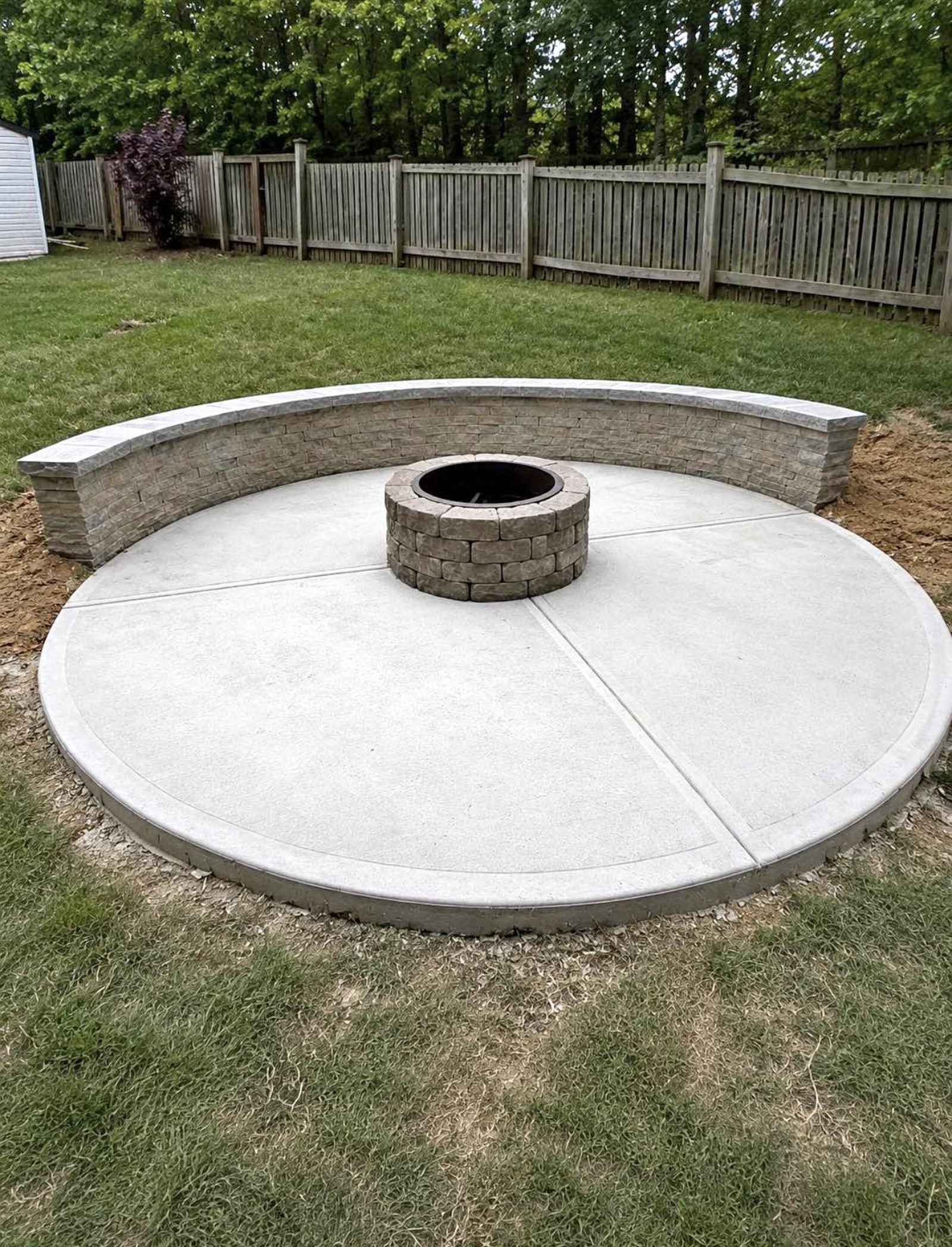
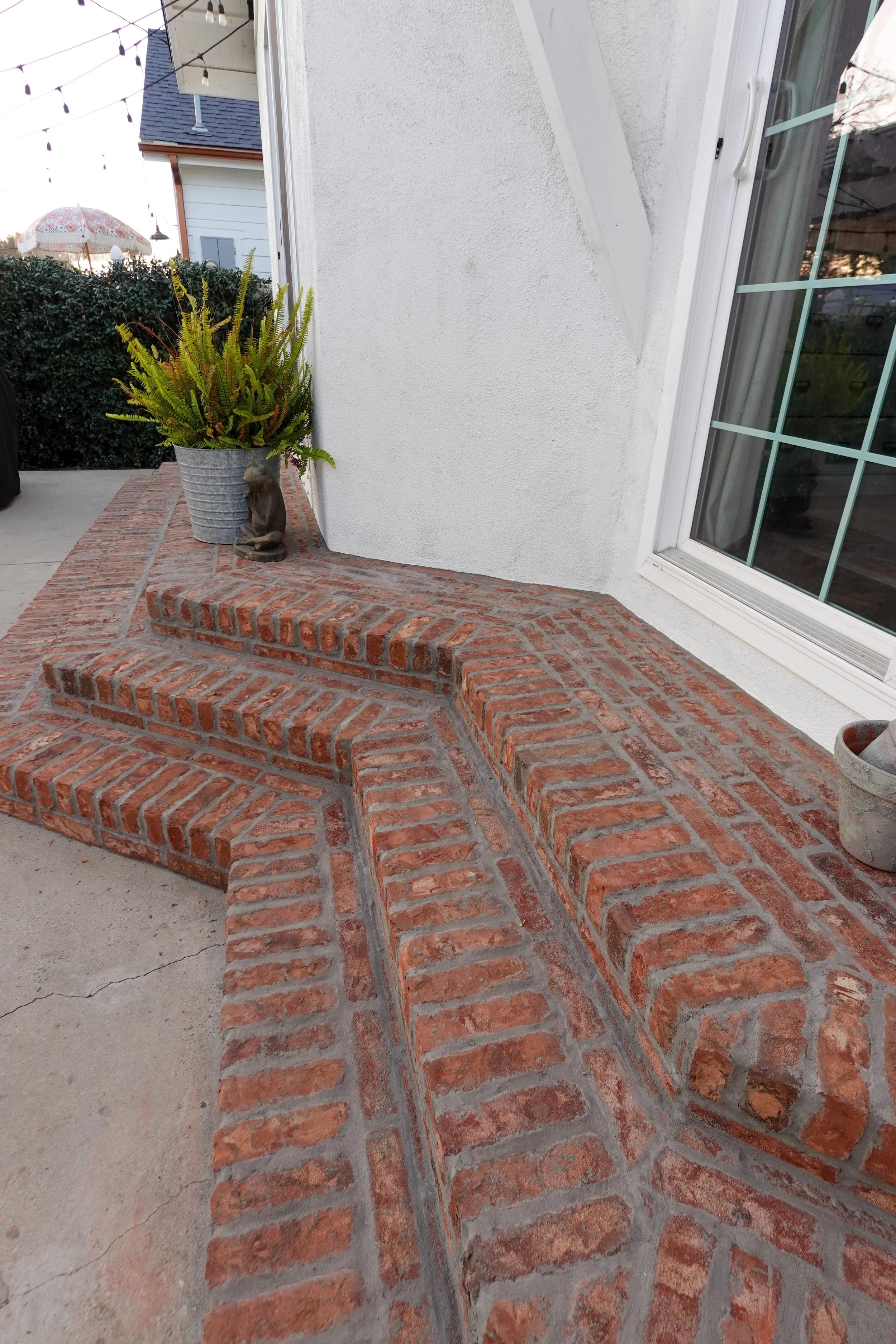
Cost
Every site is different, so we price each project after we see it. These are the things that move the number.
Length and height drive most of the cost. Taller walls also need bigger footings and more reinforcement.
Natural stone costs more to buy and to lay than brick, block or manufactured veneer.
The footing is sized to the wall, the load on it and the soil under it. Houston clay usually calls for more than the minimum.
Retaining walls need gravel backfill and a way for water to get out. It is part of the job, not an add-on.
Tight side yards, slopes, and old walls or concrete that have to come out all add labor.
Caps, curves, columns, lighting and matching existing brick or stone take more time than a straight run.
We walk the property and price your exact project.
Care
Masonry needs very little, but a few habits keep it looking right.
A garden hose or a low-pressure wash now and then keeps stone and brick clean. Skip harsh acids.
Look over the mortar joints once in a while. Small cracks are easier to fix early.
In damp or shaded spots, resealing natural stone every few years helps keep moisture out.
On a retaining wall, make sure drain outlets stay open so water does not build up behind it.
Questions
A properly engineered wall or veneer should last decades. The material itself rarely fails first. Footing depth, drainage and soil movement are what decide how long it holds its shape.
Yes, almost always. Water pressure behind a wall is one of the main causes of failure, so we plan gravel backfill and drainage as part of every retaining wall, not as an upsell.
Natural stone is quarried and cut, so no two pieces are identical and it costs more. Manufactured veneer is cast concrete colored and textured to look like stone. It is lighter, more consistent and usually less expensive for the same coverage.
In most cases, yes. We bring samples to your property and match brick, mortar color and stone as closely as the manufacturer's current lineup allows.
It depends on the wall height, the soil behind it and the load on top of it. Taller walls and anything carrying a driveway or patio need deeper, engineered footings. We size it to your site, not to a generic minimum.
Significantly. Expansive clay swells and shrinks with moisture, which causes most of the cracking and leaning walls in this area. That is why footing depth and drainage planning matter more here than in most other markets.
Proper footing depth, drainage and control joints where needed. Cracking usually traces back to a shortcut in one of those three during the original build, not to the material.
It depends on the wall's height and your city's rules. Many jurisdictions require a permit past a certain height. We handle the permitting process as part of the build so you do not have to track it down.
Very little is needed. Rinse it with a hose or a low-pressure wash from time to time, keep an eye on the mortar joints, and reseal natural stone every few years if it is in a damp area.
Masonry is the base every other project we build sits on, so we treat footings and drainage as engineering decisions first. It is the same crew and the same standard whether it is a garden wall or a full outdoor living build.
Service Area

Get a free, no-obligation quote for your retaining wall, veneer or masonry project.